














































































Ayurvedic Treatment for Asthenozoospermia: Natural Approaches for Supporting Male Fertility

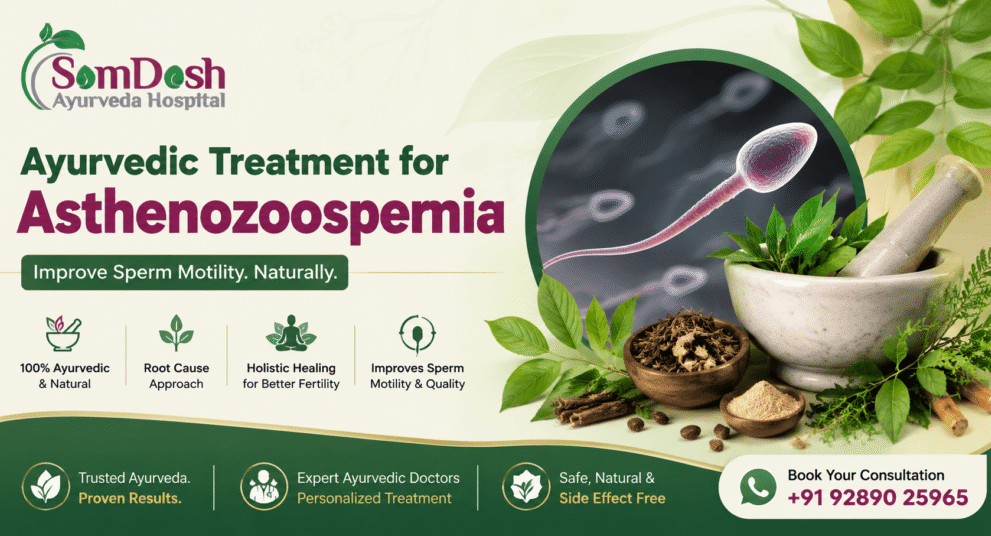
Male fertility can be influenced by several factors, including sperm count, morphology, and motility. Asthenozoospermia is a condition associated with reduced sperm motility, which may make it more difficult for sperm to move effectively toward the egg. If you are looking for a holistic approach to supporting male reproductive health, Ayurvedic treatment for Asthenozoospermia may be worth exploring under the guidance of a qualified Ayurvedic practitioner.
Samdosh Ayurveda focuses on traditional Ayurvedic principles and individualized wellness approaches that aim to support overall health and reproductive vitality.
What Is Asthenozoospermia?
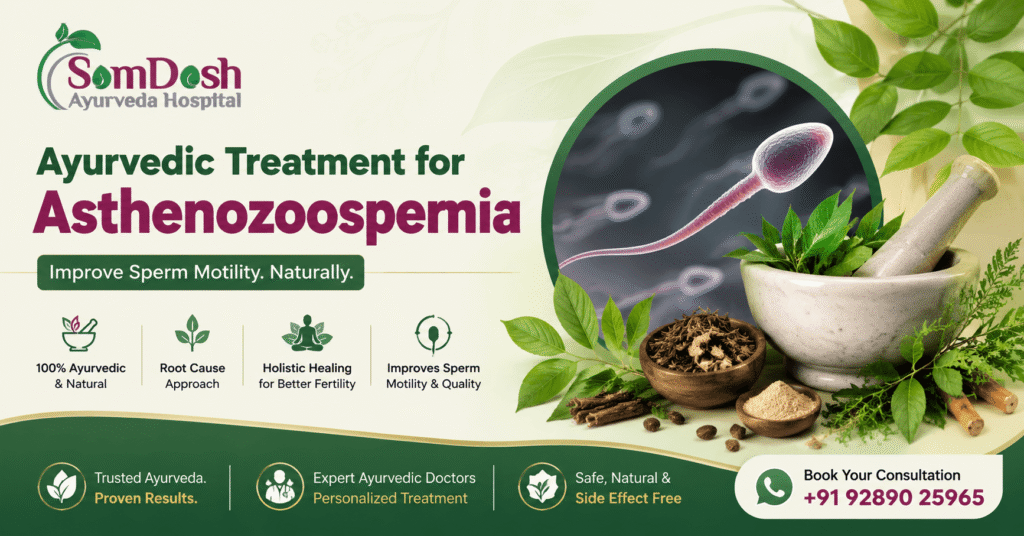
Asthenozoospermia refers to reduced sperm motility. Sperm motility is important because sperm need to move effectively through the female reproductive tract to reach and fertilize an egg.
Several factors may contribute to reduced sperm motility, including oxidative stress, nutritional deficiencies, certain infections or illnesses, hormonal or metabolic issues, lifestyle habits, smoking, alcohol consumption, obesity, and exposure to excessive heat.
A semen analysis is generally used to assess sperm concentration, motility, and morphology. A healthcare professional can help interpret the results and identify whether further evaluation is needed.
Ayurvedic Treatment for Asthenozoospermia
Ayurveda takes a holistic approach to reproductive wellness. Rather than focusing only on one symptom, an Ayurvedic practitioner may consider diet, lifestyle, digestion, stress, sleep, and overall constitution when developing an individualized wellness plan.
Depending on the individual’s condition, an Ayurvedic practitioner may recommend dietary changes, lifestyle modifications, yoga or relaxation practices, and appropriately selected Ayurvedic therapies or formulations.
It is important to use Ayurvedic medicines only under professional supervision, particularly when fertility is the goal. The quality, ingredients, dosage, and suitability of any herbal preparation should be carefully evaluated.
How Ayurveda May Support Male Reproductive Wellness
An Ayurvedic approach may focus on several areas that are relevant to reproductive health:
1. Balanced Nutrition
A nutrient-rich diet can support overall health and provide the nutrients required for normal physiological functions. A practitioner may recommend a balanced diet containing vegetables, fruits, whole grains, pulses, nuts, seeds, and appropriate sources of protein.
2. Healthy Lifestyle Habits
Regular physical activity, maintaining a healthy weight, adequate sleep, and avoiding tobacco can contribute to general wellbeing and may support reproductive health.
3. Stress Management
Chronic stress can affect overall wellbeing and may influence hormonal and sexual health. Practices such as meditation, yoga, breathing exercises, and adequate relaxation can be incorporated into a healthy routine.
4. Personalized Ayurvedic Care
Ayurveda emphasizes individualized care. The appropriate approach can differ from one person to another depending on health history, lifestyle, dietary habits, and other factors.
Ayurvedic Diet and Lifestyle Tips for Supporting Sperm Health
Alongside professional care, healthy daily habits can be valuable. Consider:
- Eating a varied and nutritious diet
- Including adequate protein and healthy fats
- Staying physically active
- Maintaining a healthy body weight
- Getting sufficient, regular sleep
- Managing stress effectively
- Avoiding smoking and tobacco
- Limiting excessive alcohol consumption
- Avoiding unnecessary exposure to excessive heat around the testes
- Discussing medications and supplements with a qualified healthcare professional
These measures are supportive lifestyle practices and should not be considered a guaranteed treatment for asthenozoospermia.
Why Choose Samdosh Ayurveda?
Samdosh Ayurveda promotes a traditional, holistic approach to health and wellness. For individuals exploring Ayurvedic treatment for Asthenozoospermia, professional consultation can help determine an appropriate and individualized approach rather than relying on self-medication.
If reduced sperm motility has been identified through a semen analysis, it is also important to consult a qualified fertility specialist or healthcare professional. Understanding the underlying cause can help determine the most appropriate course of care.
Conclusion
Asthenozoospermia can be an important factor in male fertility, but reduced sperm motility can have different underlying causes. A healthy lifestyle, appropriate medical evaluation, and individualized care can all play a role in reproductive wellness.